Best Time to Visit Hangzhou: A Season-by-Season Guide
Updated July 2026 — festival dates, weather averages, and crowd patterns verified.
Hangzhou looks beautiful in every season, but the right month can be the difference between a quiet walk along an empty causeway and a shoulder-to-shoulder shuffle through a tour-bus crowd. The city has four distinct looks — cherry-blossom spring, lotus-and-rainy early summer, golden-and-red autumn, and crisp-but-cheerful winter — and the best time to visit depends on whether you want flowers, foliage, festivals, or low prices.
This guide breaks down what each month actually looks like, when the crowds peak, when it rains, and how to pick the season that matches what you came to see.
At a Glance: The Best Month for Each Goal
| Your goal | Best month(s) | Why |
|---|---|---|
| Cherry blossoms | Mid-March to early April | Longjing Village + West Lake cherry trees peak |
| Lotus flowers on West Lake | July | 10,000+ lotus blooms visible from boat and bridges |
| Autumn foliage (most popular) | Late October to mid-November | Ginkgo, maple, and tallow trees all peak together |
| Smallest crowds | December to February (except Chinese New Year) | Cold but sunny; hotels 40% cheaper |
| Best overall weather | October and April | 20–25°C, low rain, no peak crowds |
| Family with kids (school break) | July–August | Hot but pools open; need AC and midday breaks |
Spring (March to May) — Cherry Blossoms and Tea Harvest
Spring is the most popular time to visit Hangzhou for good reason. Temperatures sit between 12°C and 24°C, rain is moderate, and the city goes through two overlapping flower events.
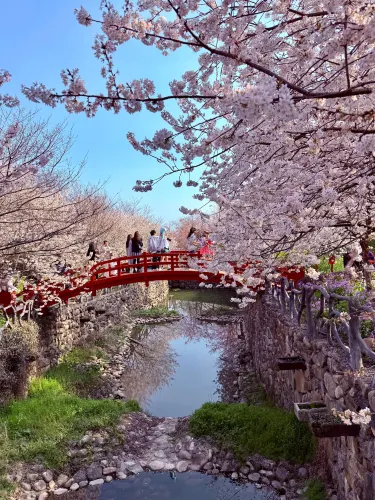
Late March to early April: cherry blossom season. The most famous spot is Longjing Tea Village, where the slopes above the village turn pink for about three weeks. The peak bloom is unpredictable — usually around March 25 to April 5 — and lasts only 7-10 days. The best viewing is in the early morning, before the tour buses arrive around 10 a.m. The cherry trees along the Su Causeway at West Lake also bloom in early April, though they’re less concentrated than the Longjing display.
Mid-April: fresh tea harvest. The Longjing tea picking season opens around April 5-10 each year (the exact date is set by the local agricultural bureau based on weather). For two to three weeks, you can watch women in conical hats picking tea on the terraced slopes above the village. Most of the year’s famous “Pre-Qing Ming” Dragon Well tea is harvested in this window. Some tea houses let you taste a fresh cup for ¥30-50.
May: by late May the cherry blossoms are gone but the weather is excellent — usually 22-26°C with low humidity. This is the quietest part of spring and a great time if you want warm weather without the festival crowds. Rain starts to increase in late May as the plum-rain season approaches.
What spring crowds look like
Weekends during cherry blossom peak (the last two weekends of March and the first two of April) are the most crowded days of the year in Hangzhou, with the Su Causeway sometimes so packed you can barely walk. Hotel prices triple. If you must come during this window, plan your West Lake visit for a weekday morning.
Summer (June to August) — Lotus, Heat, and Afternoon Storms
Summer in Hangzhou is hot, humid, and rainy — but it’s also when the West Lake lotuses bloom, which alone makes it worth considering.
Late June to late July: plum rain season (梅雨). The East Asian monsoon brings a 3-4 week stretch of nearly continuous drizzle, usually starting the second week of June. Days are overcast, humidity is high, and it can feel muggy even at 25°C. If you visit during this window, pack a folding umbrella and budget for indoor backup plans (museums, tea houses, Lingyin Temple’s covered halls).
July to mid-August: peak lotus bloom. This is what makes summer worth it. Roughly 10,000 lotus plants flower in the West Lake shallows between mid-July and early August. The Quyuan Fenghe garden (one of the Ten Scenes of West Lake) is the centerpiece — a winding causeway through lotus beds with a small island of traditional architecture. You can also see lotuses from the boat near the Three Pools Mirroring the Moon island. Early morning (before 8 a.m.) is the best time to photograph the blooms, and the lotuses close their petals by mid-afternoon in full sun.
Heat reality check. July and August temperatures average 28-35°C with humidity above 80%. Mid-afternoon (1-4 p.m.) is genuinely uncomfortable for sightseeing, and most locals retreat indoors. Plan your days around the heat: outdoor sights in the morning, lunch and a long break in air-conditioned space, and a sunset boat ride on West Lake to finish.
Typhoons. Late July through September is typhoon season. Most years see 1-2 typhoons brush Hangzhou with heavy rain and wind, usually for 24-48 hours. The city doesn’t shut down during typhoons, but flights get cancelled and ferries stop running. Check the forecast 5-7 days out if your dates are flexible.
Autumn (September to November) — The Best Overall Season
Autumn is what Hangzhou is famous for. Temperatures drop to a comfortable 15-25°C, rain falls off, the air is clear, and the foliage is the best in eastern China.
September: still warm (25-30°C days) but the humidity drops dramatically after mid-month. Crowds are moderate. The Mid-Autumn Festival (usually late September or early October) is a wonderful time to visit — locals picnic under the moon at West Lake, and the city is lit with paper lanterns. Book hotels 2-3 weeks ahead if your dates overlap.
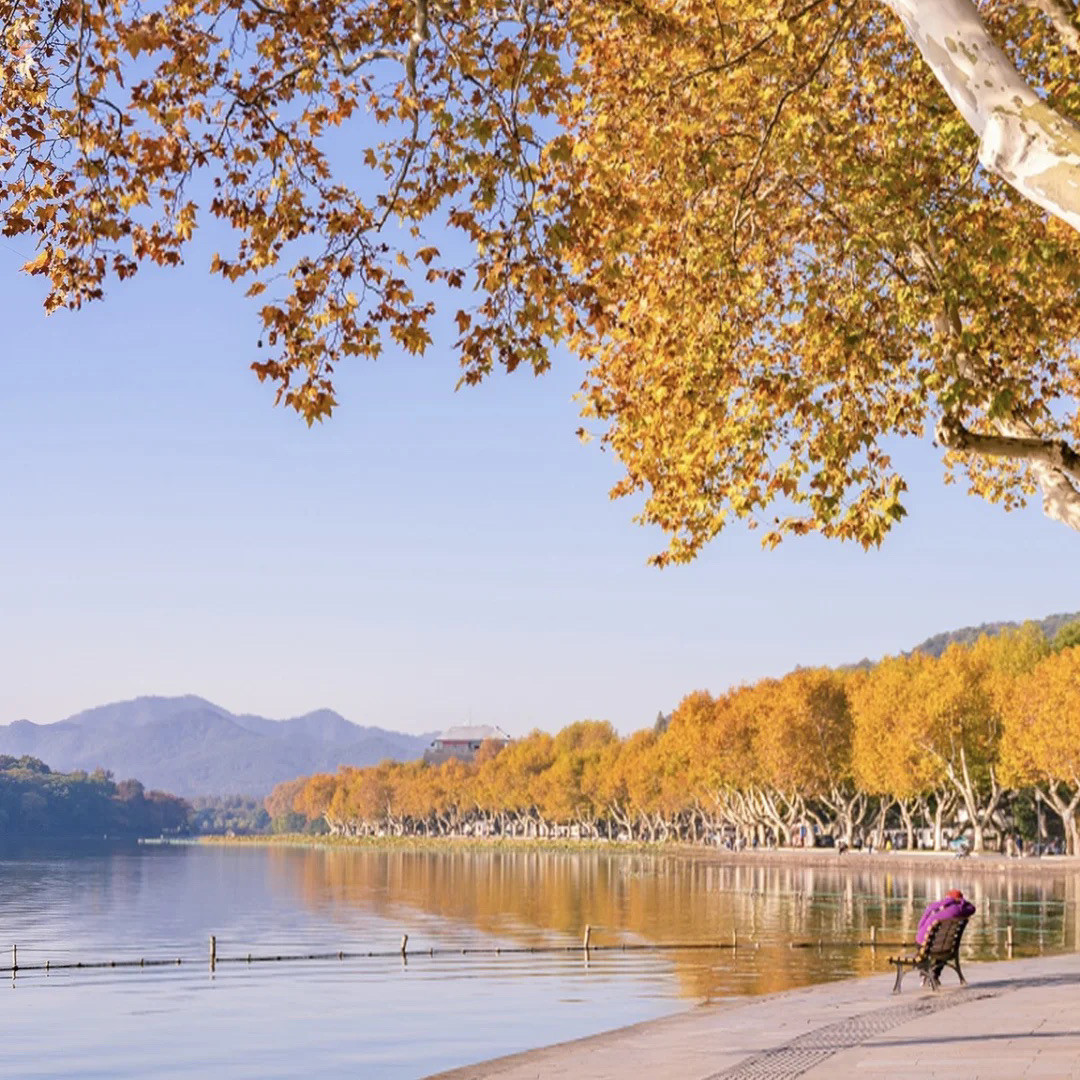
October: arguably the single best month. The National Day Golden Week (October 1-7) is one of the worst weeks to come — the entire country is on holiday and Hangzhou is wall-to-wall crowded. But the second half of October is perfect: 18-23°C days, low humidity, clear skies, and the ginkgo trees start turning gold around October 20.
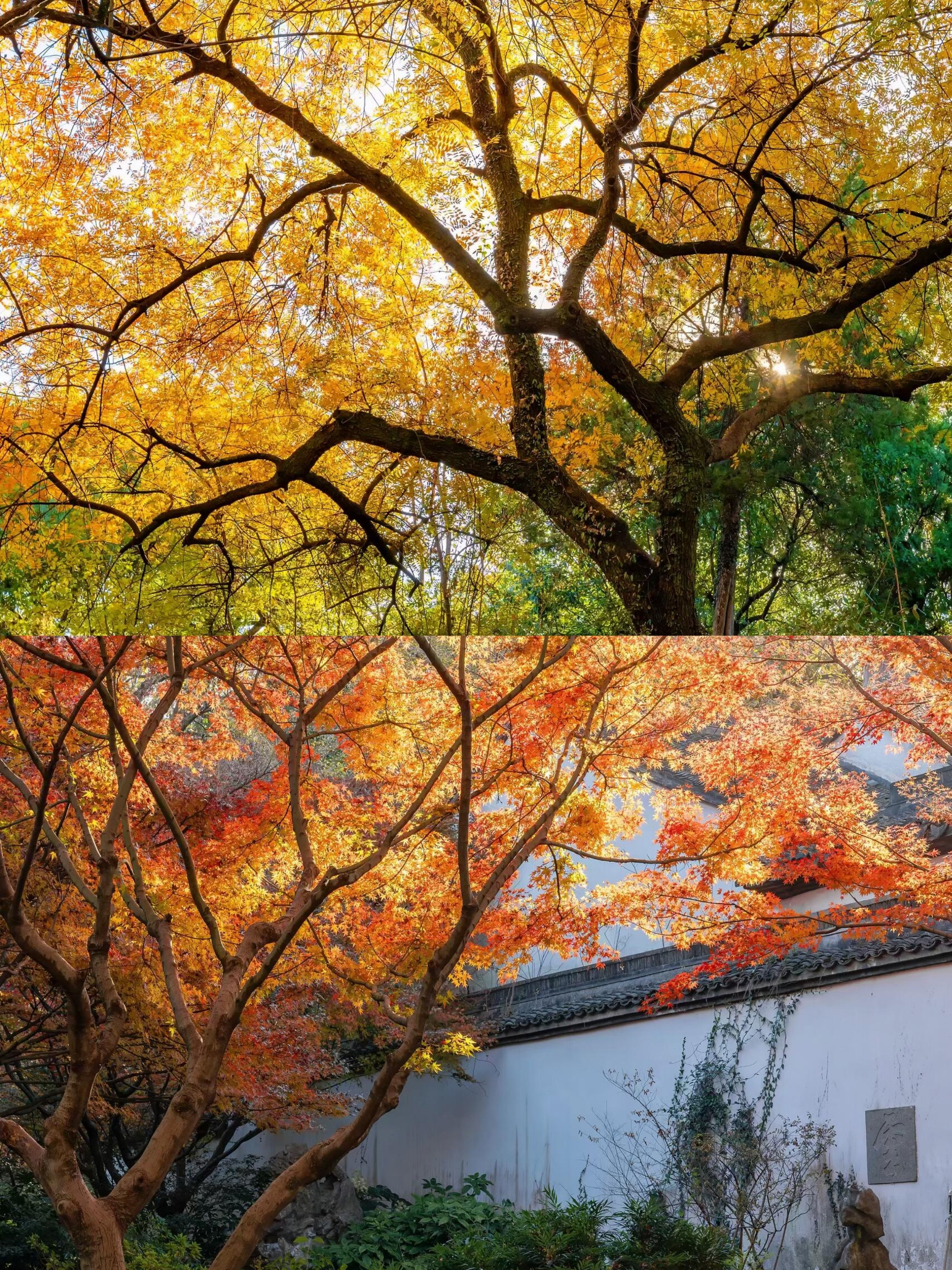
Late October to mid-November: peak foliage. The ginkgos along the Su Causeway turn full gold by about October 25, the Japanese maples at the classical gardens turn red around the same time, and the tallow trees around West Lake go bronze-red. The peak lasts 2-3 weeks depending on weather — a warm autumn pushes it later, a sudden cold snap brings it on early. Aim for the last week of October or first week of November. Photography is best in the early morning or late afternoon when the low sun makes the colors glow.
What to see in autumn: the Su Causeway ginkgo tunnel (most photographed), Liuhe Pagoda framed by maples, Lingyin Temple’s ginkgo courtyard, and the tallow trees along Beishan Road. Hiking in the hills behind Lingyin Temple (the “Ten Miles of Fragrant Clouds” trail) is at its best in autumn.
Winter (December to February) — Cold but Quiet and Cheap
Winter is the under-appreciated season in Hangzhou. Temperatures average 3-10°C, occasionally dropping below freezing at night. Snow is rare but happens once or twice a year — when it does, West Lake is magical and the city comes to a standstill in the best way.
December to early February: cold, dry, sunny most days. Crowds are at their lowest. Hotel rates drop 40-60% from autumn peak. The plum blossoms at Chaoyang Mountain start blooming in mid-January — a small but lovely counter-program to the cold weather. The Lingyin Temple and Leifeng Pagoda covered in occasional snow are postcard-perfect.
Chinese New Year (late January or February): the one week to avoid in winter. Hundreds of millions of Chinese people travel home, then return, and Hangzhou is in flux for about 10 days. Many small shops and restaurants close. Trains and flights are packed. The Spring Festival Temple Fair at the West Lake cultural square is fun if you happen to be there, but plan well in advance and expect everything to cost more.
Late February to early March: a sweet spot if you can plan around the holiday. The weather is starting to warm, plum blossoms are out, crowds are still low, and rates haven’t yet climbed for spring.
How to Beat the Crowds Whenever You Come
Hangzhou is one of China’s top domestic tourist destinations, so popular sites get crowded at peak times. A few practical tips:
- Visit West Lake on weekday mornings. The light is best before 10 a.m. and the tour groups don’t fully arrive until 11. Sunrise is roughly 5:30 a.m. in summer, 6:45 a.m. in winter.
- Skip Lingyin Temple on weekends and holidays. Lines for the incense can stretch 30-60 minutes. Weekday afternoons are quiet.
- Use the Hupao Road entrance to West Lake. Most tourists enter from the Longxiangqiao or Yuelun Bridge sides, leaving the southern (Hupao) and western (Yang Causeway) sections noticeably emptier.
- Eat dinner after 7:30 p.m. Chinese tour groups eat at 5:30-6:30 p.m. By 7:30 the popular restaurants are much calmer.
- Avoid Golden Week (Oct 1-7) and Labour Day (May 1-5). These are the worst weeks in the entire year at every Chinese tourist site.
A 12-Month Cheat Sheet
January: cold, quiet, plum blossom starts mid-month. Avoid Chinese New Year week (varies).
February: cold, quiet except for Chinese New Year. Plum blossom peaks. Good for budget travel.
March: warming, cherry blossoms at Longjing peak in last 10 days. Crowded on weekends.
April: ideal weather, 18-25°C, fresh tea harvest. Crowds at Longjing in early April.
May: warm and increasingly humid. Quiet before plum rain. Excellent in late May.
June: plum rain starts mid-month, hot and muggy. Indoor-friendly.
July: hot, humid, lotus peak. Best in early morning. Typhoon risk starts.
August: hottest month, families on school break, busiest domestic tourism. Plan air-conditioned midday breaks.
September: cools down, mid-autumn festival late in month. Excellent.
October: the best month overall — but avoid Oct 1-7 Golden Week. Late October is peak foliage.
November: foliage peak in first 2 weeks, then cools quickly. Quiet from mid-month.
December: cold, dry, very quiet except for Christmas/New Year domestic travel. Best budget rates.
The Bottom Line
If you can choose freely, late October is the single best week to visit Hangzhou — comfortable weather, peak foliage, and the worst crowds (Golden Week) just ended. Early April is the second-best choice if you prefer flowers over foliage, though you’ll compete with more domestic tourists. December to early February is the best time for budget travel and quiet exploration, as long as you avoid the Chinese New Year week. For lotus lovers, July is the only option — bring an umbrella and a high tolerance for humidity.
Whichever season you pick, Hangzhou rewards a slower pace. Plan for at least three days, walk the Su Causeway twice, and give yourself one full morning with no agenda. That’s when the city opens up.