The Complete Hangzhou Travel Guide (2026 Edition)
Updated July 2026 — visa, transport, and pricing information reviewed quarterly.
Welcome to Hangzhou — the city Marco Polo called “the most splendid and luxurious in the world.” A thousand years later, that description still holds, with one update: Hangzhou is now one of the easiest major Chinese cities for foreign travelers to visit, and one of the most rewarding.
This guide is built for first-time visitors. It covers everything you need to plan a trip: the best time to come, how to get here (and how to use the 2026 visa-free policy), where to stay, what to eat, and a sample 3-day itinerary you can copy and adapt. By the end, you should feel ready to book your flight.
Why Visit Hangzhou
Hangzhou is the capital of Zhejiang province, located about 170 km southwest of Shanghai. The city has been famous since the Tang dynasty for three things: West Lake (西湖), Longjing tea (龙井茶), and the quality of its silk. In the 13th century, when it served as the capital of the Southern Song dynasty, it was arguably the wealthiest city on Earth.
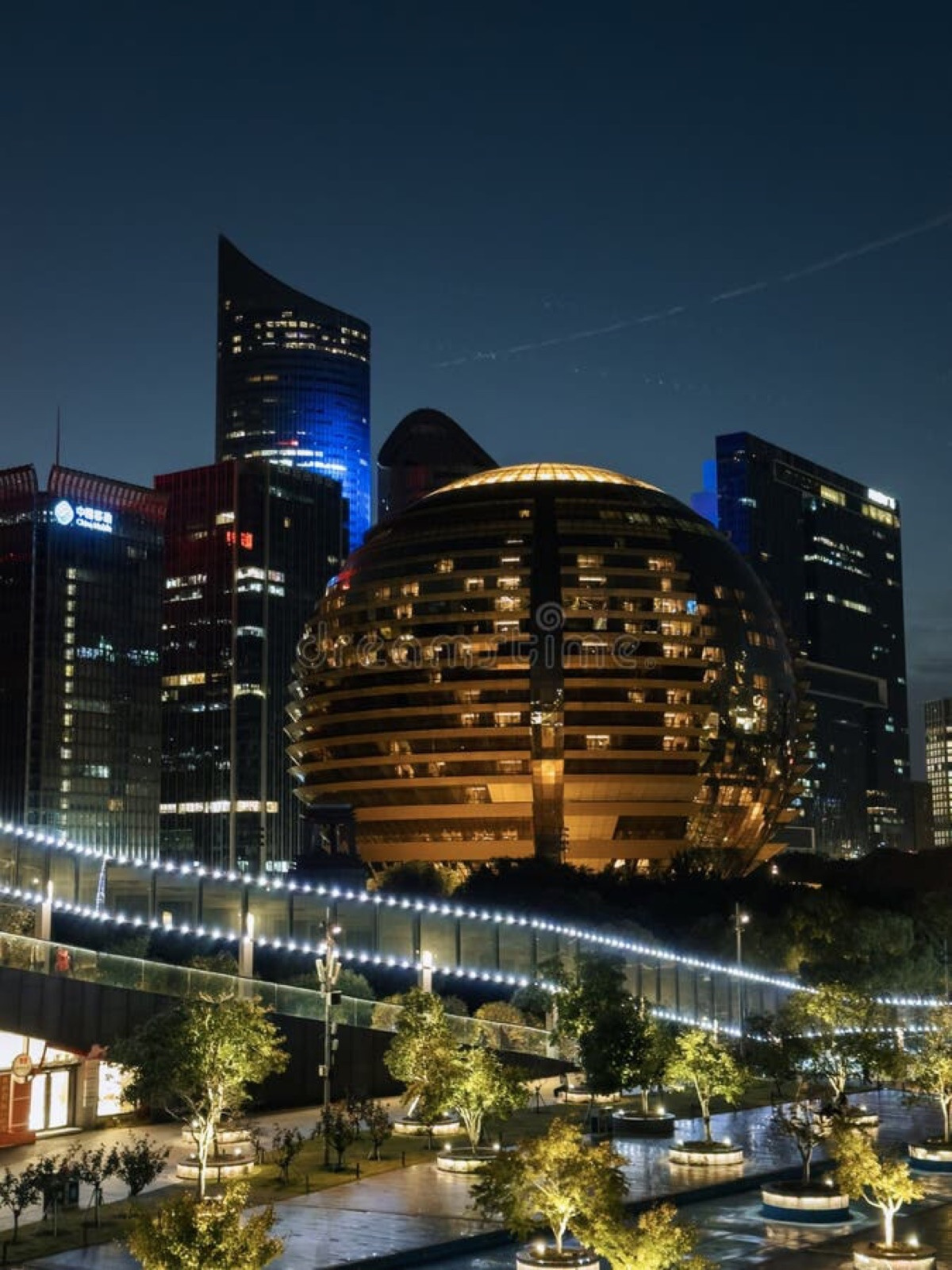
Today, Hangzhou is also the home of Alibaba — and it shows. The city blends old and new with unusual grace: 1,000-year-old temples coexist with sleek tech campuses; tea fields sit inside the urban district; and the historic West Lake area is ringed by ultra-modern skyscrapers that light up at night in synchronized shows.
For foreign visitors, Hangzhou is a softer introduction to China than Beijing or Shanghai. It’s smaller, greener, more walkable, and the food is widely considered the most elegant in the country. Most travelers spend 2–4 days here, often as a side trip from Shanghai.
When to Visit Hangzhou
Hangzhou is a year-round destination, but the experience changes dramatically with the seasons. Here’s a quick breakdown:
| Season | Months | Highlights | Weather & Crowds |
|---|---|---|---|
| Spring | March – May | Cherry blossoms, fresh tea harvest | Mild (15–25°C), some rain, moderate crowds |
| Summer | June – August | Lotus flowers on West Lake, evening breeze | Hot (28–38°C), humid, peak domestic tourism |
| Autumn | September – November | Mid-Autumn Moon Festival, osmanthus fragrance | Best weather, comfortable crowds, ideal for photos |
| Winter | December – February | Snow on the lake (rare but magical), plum blossoms | Cold (2–10°C), foggy, very few tourists |
Our recommendation: Late September to mid-November, or late March to early May. These shoulder seasons give you the best weather without the summer crowds or the winter cold.
Getting to Hangzhou
Visa-Free Transit Policy (2026 Update)
Good news for many travelers: as of 2026, China has expanded its visa-free transit policy, and Hangzhou is one of the eligible ports of entry. Here’s what you need to know:
- 240-hour visa-free transit: citizens of 54+ countries can transit through Hangzhou (and many other Chinese cities) for up to 10 days without a visa, provided they have an onward ticket to a third country.
- 144-hour visa-free transit: a slightly older but still valid program covering similar routes.
- Unilateral visa-free entry: citizens of around 30+ countries (mostly European and Asian) can enter China visa-free for 15–30 days for tourism.
Check the latest rules before booking, as policies change. The official source is the National Immigration Administration of China (NIA). Your passport must be valid for at least 6 months, and you’ll need proof of onward travel.
From Shanghai
Hangzhou is 170 km from Shanghai and easy to reach in under an hour:
- High-speed train (recommended): From Shanghai Hongqiao Station to Hangzhou East or Hangzhou West Station, the journey takes 45–60 minutes. Trains run every 10–15 minutes during the day, and a second-class ticket costs about ¥73 (US$10).
- Private car or Didi: 2–3 hours depending on traffic. Cost: ¥400–600 ($55–85). Useful if you have heavy luggage.
- Flight: Possible but not practical — the train is faster door-to-door.
From Beijing, Guangzhou, and Other Major Cities
Hangzhou Xiaoshan International Airport (HGH) has direct flights from most major Asian cities, plus selected European and Middle Eastern hubs. From Beijing, high-speed trains take 4–5 hours (or 1.5 hours by air).
Getting Around Hangzhou
Hangzhou has an excellent public transport system that’s easy for tourists to navigate.
Hangzhou Metro
The metro has 12+ lines and reaches most major attractions. Stations have English signage, and announcements are in Mandarin and English. A single ride costs ¥2–8 depending on distance.
Tip: West Lake is served by Longxiangqiao Station (Line 1) and several others. The airport is on Line 1 and Line 19.
DiDi (China’s Uber)
The English-language DiDi app works in Hangzhou. You can pay with international credit cards. Rides within the city typically cost ¥15–50.
Bike Sharing
Hellobike and Meituan bikes are everywhere. Scan the QR code with the app (works with foreign credit cards). Cycling around West Lake is one of the best things to do in the city.
Alipay & WeChat Pay
Setting up Alipay or WeChat Pay as a foreigner is now straightforward — both apps accept international cards for top-ups. Cash still works for some smaller vendors, but mobile payment is dominant.
Top Attractions at a Glance
Hangzhou has dozens of attractions, but these are the ones you shouldn’t miss. We’ll publish a deep-dive on each in upcoming articles.
- West Lake (西湖) — The soul of Hangzhou. A UNESCO World Heritage Site, this 6.5 km² lake is surrounded by temples, pagodas, gardens, and walking paths. Plan at least half a day.
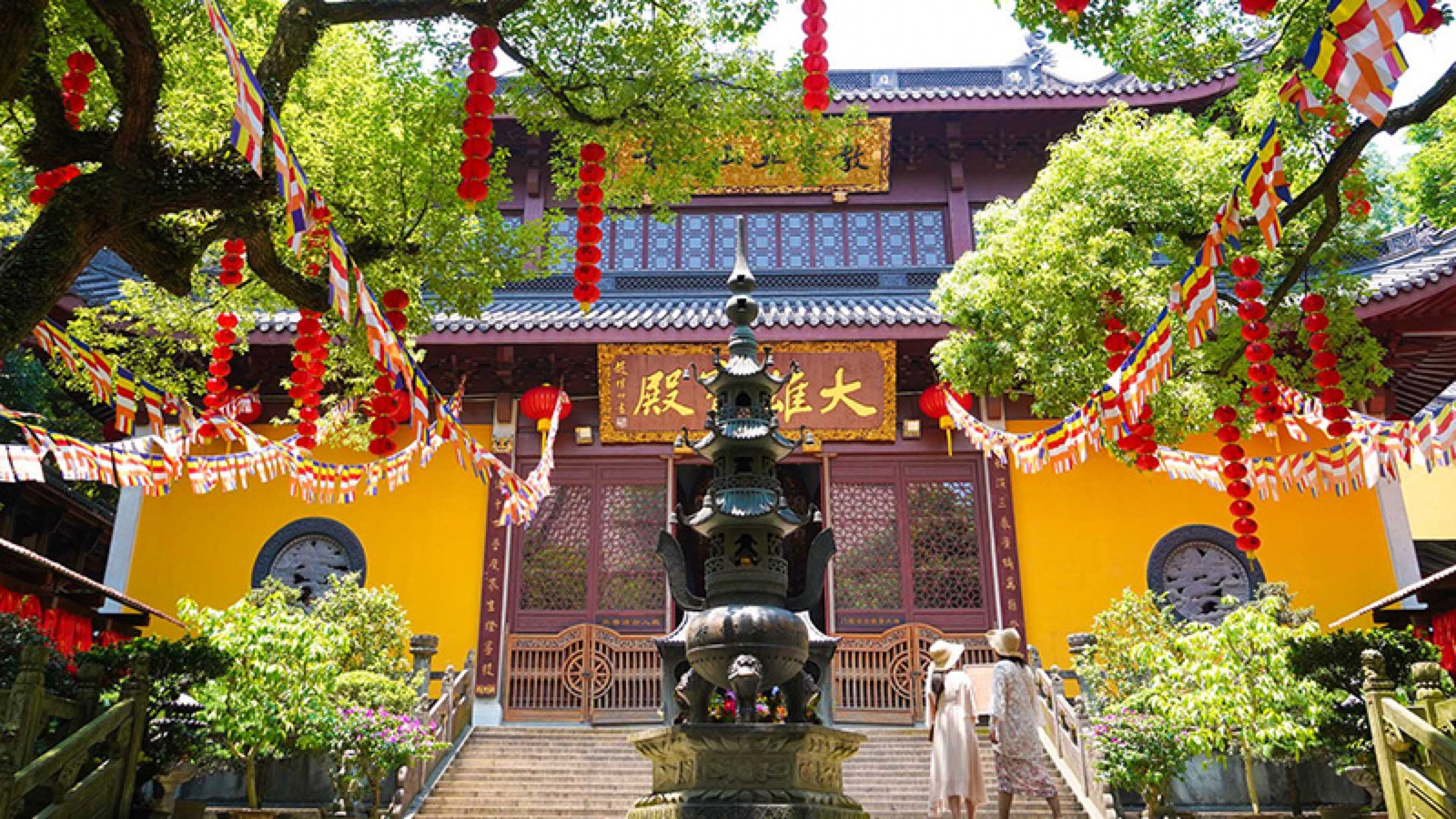
- Lingyin Temple (灵隐寺) — A 1,700-year-old Buddhist temple hidden in the hills. An active place of worship, not just a museum.
- Leifeng Pagoda (雷峰塔) — The iconic five-story pagoda on the south shore of West Lake. Best at sunset.
- Hefang Ancient Street (河坊街) — A preserved Qing-dynasty street with shops, tea houses, and street food.
- China National Tea Museum — Learn about Longjing tea in a working tea field setting.
- Xixi National Wetland Park — A wetland reserve with ancient villages, boat rides, and a quieter alternative to West Lake.
Where to Stay in Hangzhou
Choose your neighborhood based on what you want to do:
| Neighborhood | Best For | Price Range (per night) |
|---|---|---|
| West Lake (Hubin) | First-time visitors, views, walking distance to everything | ¥600–2,500 |
| Wulin Square | Shopping, metro access, central business district | ¥400–1,200 |
| Southern Song Imperial Street | Cultural atmosphere, food, mid-range | ¥300–800 |
| Near Lingyin Temple | Quiet, retreat-like, hiking | ¥500–1,500 |
| Around Hefang Street | Heritage feel, walking, food | ¥250–700 |
Our pick for first-timers: A mid-range hotel within 500m of West Lake. The Aman Fayun and Four Seasons are splurge options; Hyatt Regency and Holiday Inn are solid mid-range picks.
Food & Drink: What to Eat in Hangzhou
Hangzhou is the birthplace of one of China’s eight great culinary traditions. The style is known for being fresh, light, and slightly sweet — a contrast to the spicy food of Sichuan or the heavy sauces of the north.
Must-Try Dishes
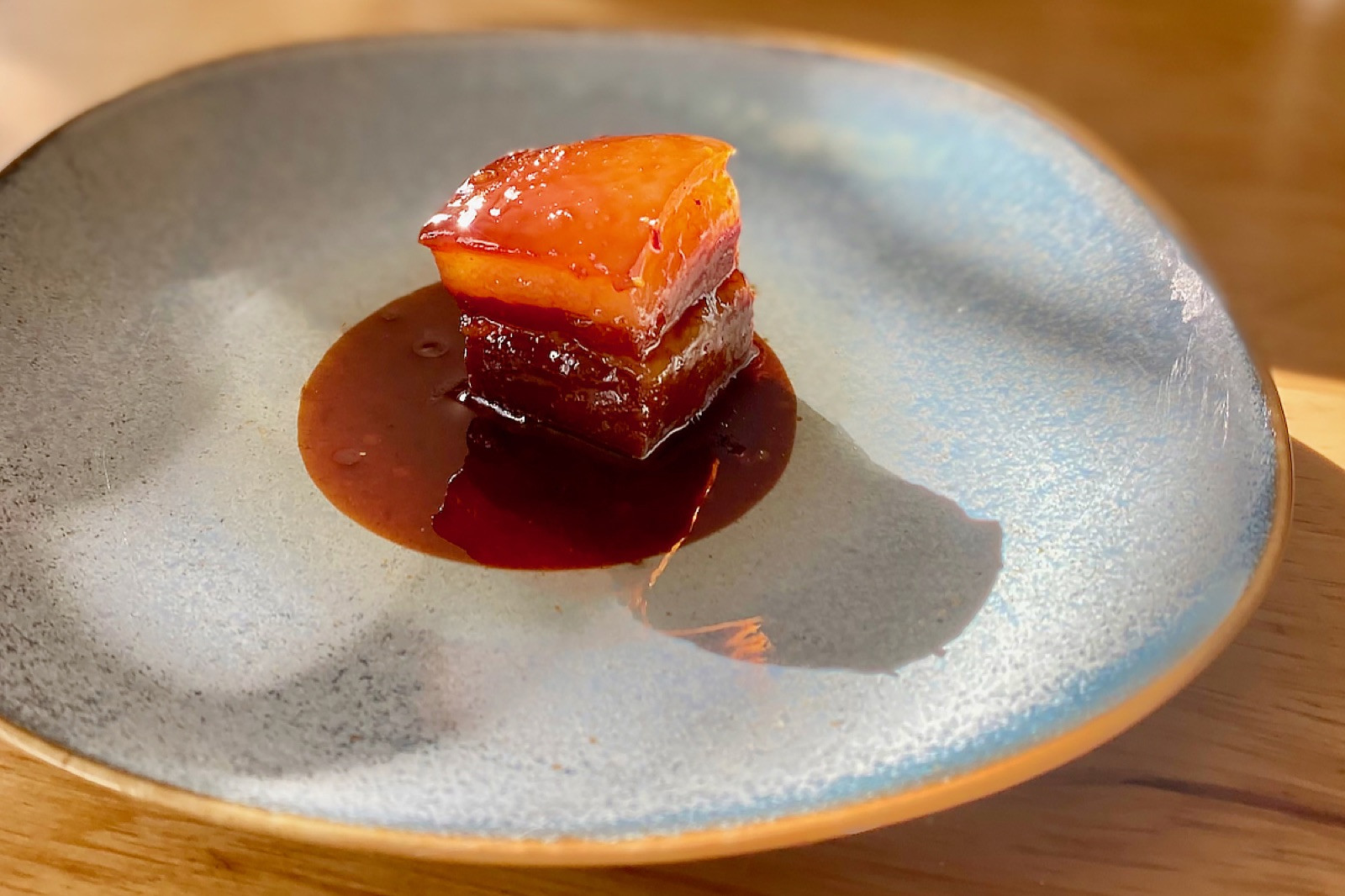
- Dongpo Pork (东坡肉) — Named after Su Dongpo, the Song-dynasty poet and governor. Slow-braised pork belly in soy and rice wine. It melts in your mouth.
- West Lake Vinegar Fish (西湖醋鱼) — Fresh grass carp from the lake, dressed in a sweet-vinegar sauce. The signature dish of Hangzhou.
- Longjing Shrimp (龙井虾仁) — River shrimp stir-fried with Longjing tea leaves. Delicate, fragrant, very Hangzhou.
- Beggar’s Chicken (叫花鸡) — Chicken baked in lotus leaf and mud. Theatrical and delicious.
- Lotus Root Stuffed with Sweet Rice (桂花糯米藕) — A street-food classic, especially in autumn.
- Longjing Tea (龙井茶) — Of course. Drink it at the source in a tea house overlooking the fields.
Where to Eat
Green Tea Restaurant (绿茶餐厅) is a Hangzhou-born chain with multiple branches, great for first-timers. Zhi Wei Guan (知味观) is a historic restaurant (since 1913) famous for dim sum. For high-end, try Ambré at the Conrad or 28 Hubin Road (湖滨28) at the Hyatt.
For street food, head to Hefang Street or the Southern Song Imperial Street in the evening.
A Sample 3-Day Itinerary
Here’s a tested 3-day plan that hits the highlights without rushing. For a more detailed version, see our 3-Day Hangzhou Itinerary article.
Day 1: West Lake Classics
- Morning: Walk the Su Causeway (苏堤), the 2.5 km embankment across the lake. Visit Yue Fei Temple at the southern end.
- Afternoon: Lunch near the lake, then visit Leifeng Pagoda and the China National Silk Museum.
- Evening: Watch the Impression West Lake show (¥260–580), an open-air performance directed by Zhang Yimou.
Day 2: Tea Country & Temples
- Morning: Take a taxi to Lingyin Temple. Spend 2–3 hours. Then hike to Feilai Peak to see the Buddhist grottoes.
- Afternoon: Head to Longjing Village (15 min from Lingyin). Walk through tea fields, visit the China National Tea Museum, drink tea at a farmhouse.
- Evening: Dinner at Green Tea Restaurant, then stroll Hefang Ancient Street.
Day 3: Hidden Hangzhou + Departure
- Morning: Visit Xixi National Wetland Park (less crowded, boat rides through ancient villages).
- Afternoon: Lunch in Southern Song Imperial Street, then visit the China Academy of Art (designed by Wang Shu, Pritzker Prize winner).
- Evening: Final lakeside walk at sunset before departure.
Day Trips from Hangzhou
Hangzhou makes an excellent base for exploring the wider region. Top day trips include:
- Wuzhen Water Town (乌镇) — A beautifully preserved 1,300-year-old canal town, 1.5 hours from Hangzhou. The East and West scenic areas are ticketed; the East is more photogenic. We have a complete guide.
- Qiandao Lake (千岛湖) — A man-made lake with 1,000+ islands, 2–3 hours from Hangzhou. Famous for its clear water, fresh fish, and cycling.
- Shaoxing (绍兴) — Birthplace of Lu Xun, the famous author. 1 hour by high-speed train. Famous for rice wine, calligraphy, and ancient bridges.
- Moganshan (莫干山) — A “Hamptons of Shanghai” hill station, 1.5 hours away. Bamboo forests and boutique B&Bs.
Practical Information
Currency & Payments
The currency is the Chinese Yuan (CNY or RMB). ¥1 ≈ US$0.14. Cash is increasingly rare; mobile payment (Alipay / WeChat Pay) is king. Most tourist-area businesses accept international cards, but bring some RMB for small vendors and rural areas.
Language
Mandarin is the only language most people speak. English is rare outside major hotels and tourist sites. Translation apps like Google Translate and Pleco are essential — download the offline Chinese-English pack before you arrive.
SIM Card & Internet
Foreigners can now buy a Chinese SIM card at the airport with their passport (China Mobile / China Unicom). Alternatively, an eSIM from Airalo or Holafly works for short trips. China’s internet is heavily restricted — Google, Facebook, Instagram, WhatsApp, and YouTube are blocked. Get a VPN before you arrive (Astrill, NordVPN, or Surfshark are popular).
Safety
Hangzhou is one of the safest major cities in China. Petty crime is low. The main concern is traffic — Chinese drivers can be aggressive, and crosswalks aren’t always respected. Use DiDi for longer trips.
Tipping
Not customary in China. High-end restaurants may add a 10–15% service charge.
Frequently Asked Questions
How many days do I need in Hangzhou?
Two days covers the highlights. Three days lets you add a day trip. A week allows you to slow down and visit 2–3 surrounding water towns.
Is Hangzhou safe for solo travelers?
Yes — it’s one of the safest cities in China. Solo female travelers report feeling very comfortable, even at night. Use common sense and stick to well-lit areas.
Do I need a visa to visit Hangzhou?
It depends on your passport. Citizens of 30+ countries (mostly in Europe and Asia) can enter visa-free for 15–30 days. Others can use the 240-hour visa-free transit policy. Always check the latest rules at the National Immigration Administration of China.
Can I use Google, Instagram, and WhatsApp in China?
No — these are blocked. Install a reliable VPN (Astrill, NordVPN, or ExpressVPN) before you arrive. Even with a VPN, speeds can be inconsistent.
What’s the best way to pay in Hangzhou?
Alipay or WeChat Pay, both of which now accept international credit cards for top-up. Cash (RMB) is still useful for small vendors. Most hotels and high-end restaurants accept Visa / Mastercard.
Is Hangzhou worth visiting in winter?
Yes — it’s quieter, cheaper, and the chance of snow on West Lake is magical (though rare). Pack warm clothes; temperatures range 2–10°C.
Plan Your Trip
Hangzhou rewards unhurried travel. Give it at least 3 days, walk more than you ride, eat where locals eat, and drink Longjing tea in the village where it’s grown. You’ll leave understanding why Marco Polo — and a thousand years of Chinese poets — couldn’t stop talking about this place.
Ready to plan in detail? Start with our 3-Day Hangzhou Itinerary, then check our West Lake guide for the must-see spots. Have questions? Drop a comment below or reach out to us directly.
Have you been to Hangzhou? Share your favorite spot in the comments — we read every one.